Healing Through Art Recap: A Community Gallery of Resilience and Expression

Exploring Healing Through Creative Expression

At Mind & Spirit Counseling Center, we believe that healing takes many forms. Sometimes it happens in conversation, sometimes in quiet reflection—and sometimes it appears through color, texture, and creative expression. Our Healing Through Art initiative was created to offer a welcoming space where members of our community could explore and share their vision of healing through art.

Inspired by the prompt “What Healing Looks Like to Me,” this initiative invited people of all ages to reflect on their personal journeys and translate those reflections into creative expression. Through painting, drawing, collage, and other mediums, participants shared pieces that represent hope, resilience, growth, and transformation.

Each artwork reminds us that healing is deeply personal and uniquely beautiful. Together, these pieces transformed our Center into a living gallery—one that reflects the many ways individuals experience strength, renewal, and hope.

A Special Evening: The Healing Through Art Gallery Event

On February 26, Mind & Spirit Counseling Center hosted a special Healing Through Art Gallery Event, celebrating the creativity and courage of community members who participated in this initiative.

Guests had the opportunity to walk through the gallery, take in the diverse interpretations of healing, and experience how art can communicate powerful emotions and stories. The evening was filled with connection, reflection, and appreciation for the many forms healing can take.

One of the most moving moments of the evening came when two individuals shared the personal meaning behind their artwork. Their willingness to speak about their experiences offered a powerful reminder of how creative expression can capture emotions and milestones that words alone sometimes cannot.

We are deeply grateful for their vulnerability and generosity in allowing us to witness part of their healing journey.
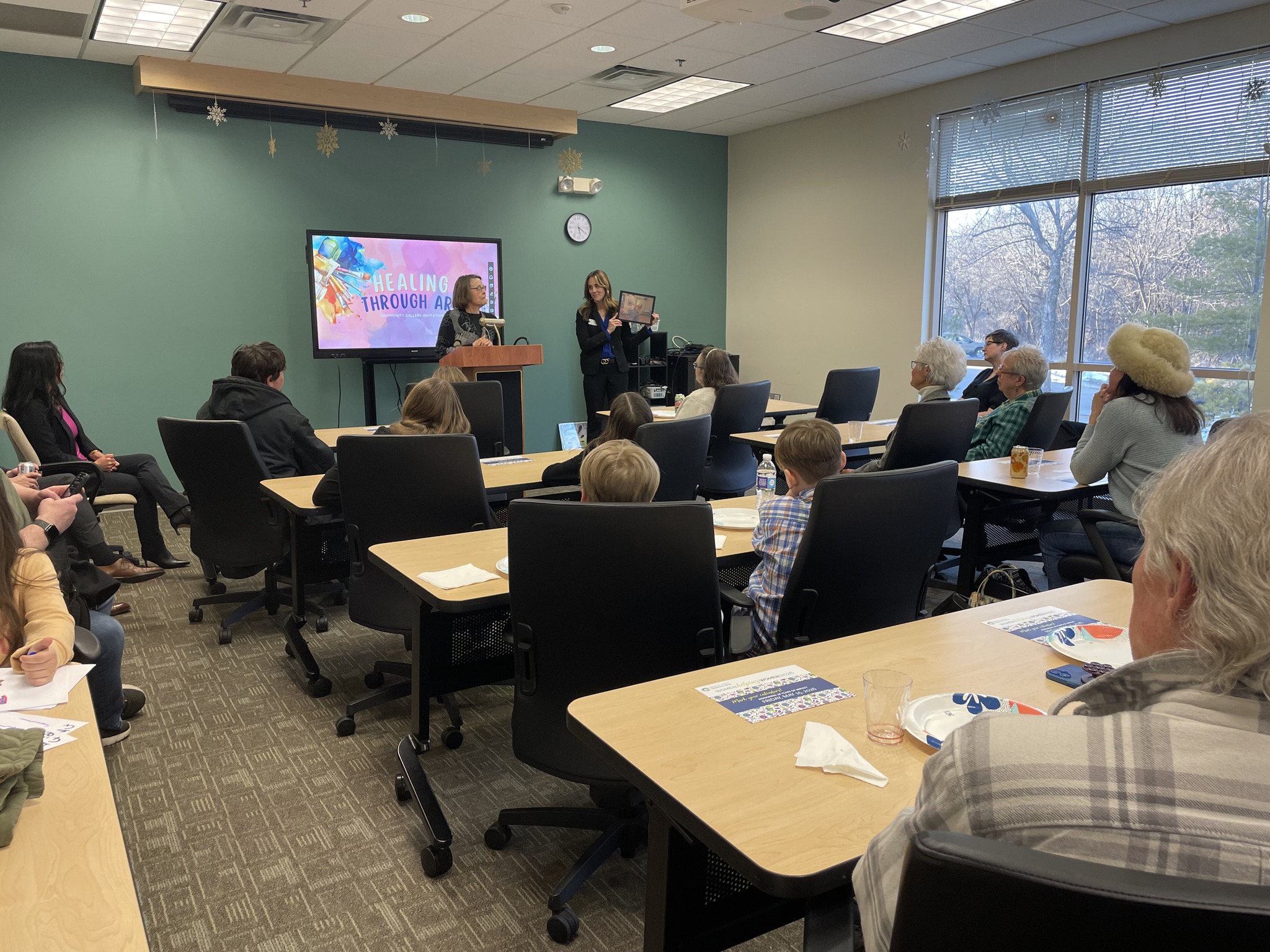
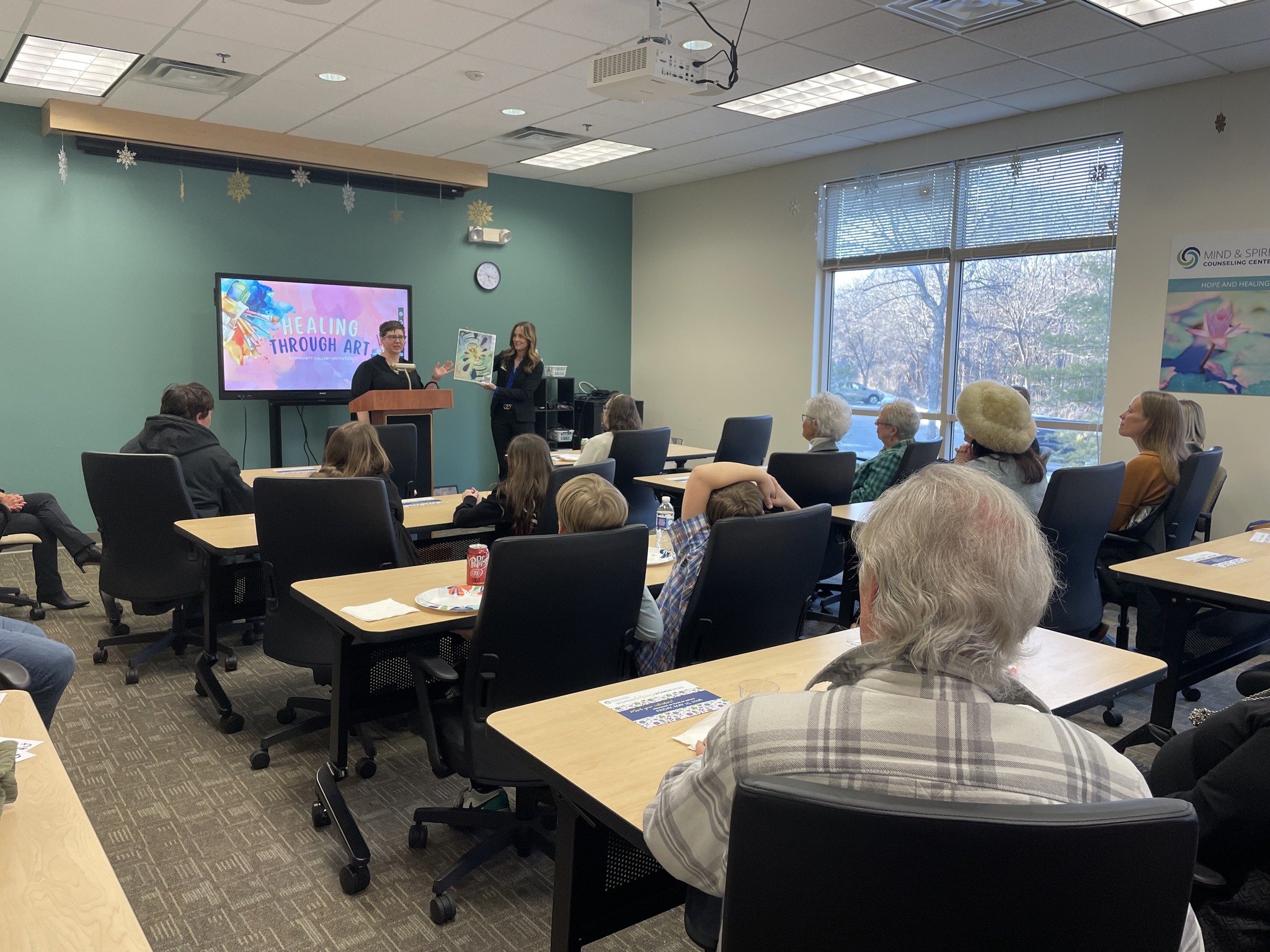
A client of Mind & Spirit Counseling Center shares the inspiration behind her art piece at the gallery event.
A client of Mind & Spirit Counseling Center shares the inspiration behind their art piece at the gallery event.

A Gallery That Continues to Inspire

The Healing Through Art collection continues to bring inspiration and reflection to everyone who walks through our doors.

If you would like to experience the artwork in person, we warmly invite you to visit Mind & Spirit Counseling Center. The Healing Through Art gallery will remain on display through the end of May, and we would be honored to share these powerful pieces with you.

To schedule a time to view the gallery, please contact our team.

Support Healing in Our Community

Initiatives like Healing Through Art are made possible because of the generosity of our community. Every day, individuals who walk through our doors are able to continue their healing journeys through art, conversation, and other powerful therapeutic approaches because compassionate supporters believe in the importance of accessible care.

Your support helps ensure that these opportunities for healing remain available to those who need them most.

If this story resonates with you, we invite you to consider supporting our work. Your gift helps make healing possible—today and every day.

Mind & Spirit Counseling Center receives grant from Variety – the Children’s Charity of Iowa

FOR IMMEDIATE RELEASE     
September 25, 2025

(Urbandale, Iowa) – Mind & Spirit Counseling Center has received a grant from Variety – the Children’s Charity of Iowa to fund the purchase of bilateral stimulation wristbands to use during therapy sessions within our C.O.O.L program (Children Overcoming Obstacles of Life). 
 
Mind & Spirit Counseling Center, formerly the Des Moines Pastoral Counseling Center, is a nonprofit organization serving the greater Des Moines area since 1972 offering counseling for individuals, couples and families, psychiatry and medication management, psychological testing, spiritual direction and leadership programs, as well as a clinical training program for future mental health professionals. We are a non-sectarian welcoming place for those seeking inspiration, hope and healing of body, mind and spirit. We provide services to people from all walks of life, regardless of financial barriers.
 
These innovative wristbands that this Variety grant will be used to purchase can be combined with art, play and sand tray therapies to enhance EMDR (Eye Movement Desensitization and Reprocessing) treatment, supporting children in their journey of healing from trauma. Our clinicians take a creative, whole-person approach to supporting children and adolescents. By integrating play, art, food, music, literature, time outdoors and physical movement, we help kids find their voice, process difficult emotions and move forward with strength and hope in their journey.

“We’re so grateful to Variety for helping us bring more comfort and creativity into therapy; giving children the tools they need to heal and thrive.” – Shannon Welch-Groves, Interim Executive Director & Director of Clinical Services


About Variety – the Children’s Charity of Iowa
Variety – the Children’s Charity is dedicated to improving the lives of children who are underprivileged, at-risk, critically ill, or living with special needs. Grant funding is provided to programs and initiatives that directly impact the well-being of children in our community.

For more information on Variety grants and programs please visit varietyiowa.com.
 
####
 
Contact:
Heather Stuyvesant, Director of Development
Mind & Spirit Counseling Center
[email protected]
515.274.4006

Walking Beside Children & Families: A Therapist’s Reflection on Hope & Healing

Written by Elizabeth Moreno, Licensed Independent Social Worker

Elizabeth Moreno, LISW, at Mind & Spirit Counseling Center

Over the last 10 years, I have had the privilege of walking side by side with hundreds of kiddos and families as they navigate their child’s mental health. Over the years, I have learned the importance of including the family unit in helpful and healthy changes to best support the child in ways that they need. I have seen kids who never thought they would graduate high school, graduate with college degrees. I’ve sat with families that never thought they would be able to eat dinner together as a family without yelling, come together and go on week long vacations.  I’ve seen kids that couldn’t imagine what it would be like living another day, continue to live and thrive despite the challenges that they continue to face. 

Children, teens and families are so resilient. And the work that families and their children put into their health is unlike any other that I have witnessed. The first step is one of the hardest steps to overcome when targeting children’s mental health. It takes courage and trust in providers. The commitment can be large but know that the weekly appointments will turn into monthly, the constant medication changes will turn into finding the right fit for your child, and the sadness and anger that you are feeling now, is not forever, only temporary when you get the support that your child and your family needs. 

Working with kids and families is an honor that is indescribable. If you’ve been a client of mine—thank you—you have changed my life. If you’ve been a family member of mine—thank you for all the trial and error that it takes to find the right course of treatment for your child and for trusting me with the most important piece of your life. It is one of my biggest blessings to serve the children and families that trust me. 

Women Helping Women 2025 Ignites Community & Connection With Over $234,000 Raised to Support Mental Health Services in Central Iowa

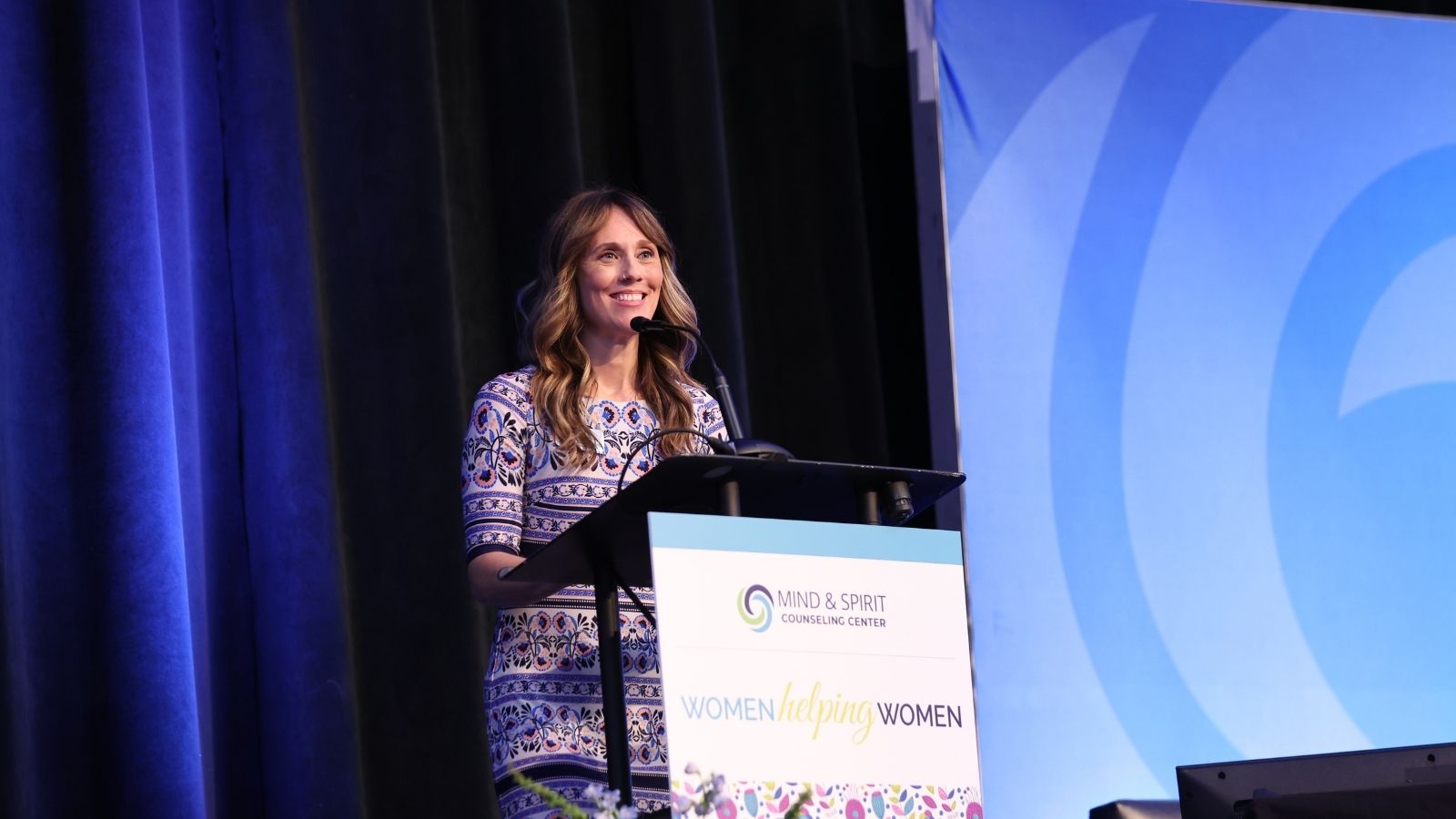
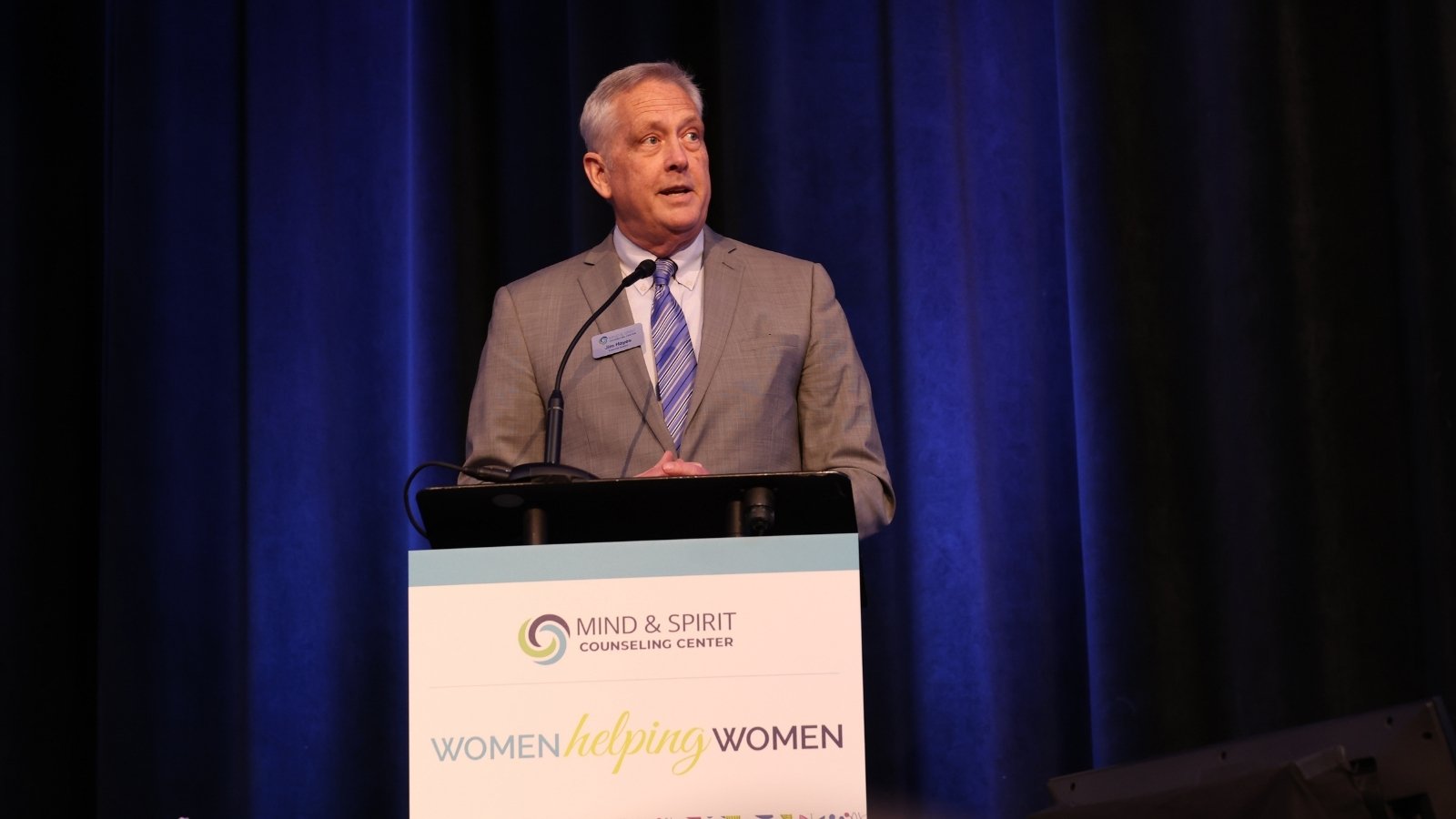
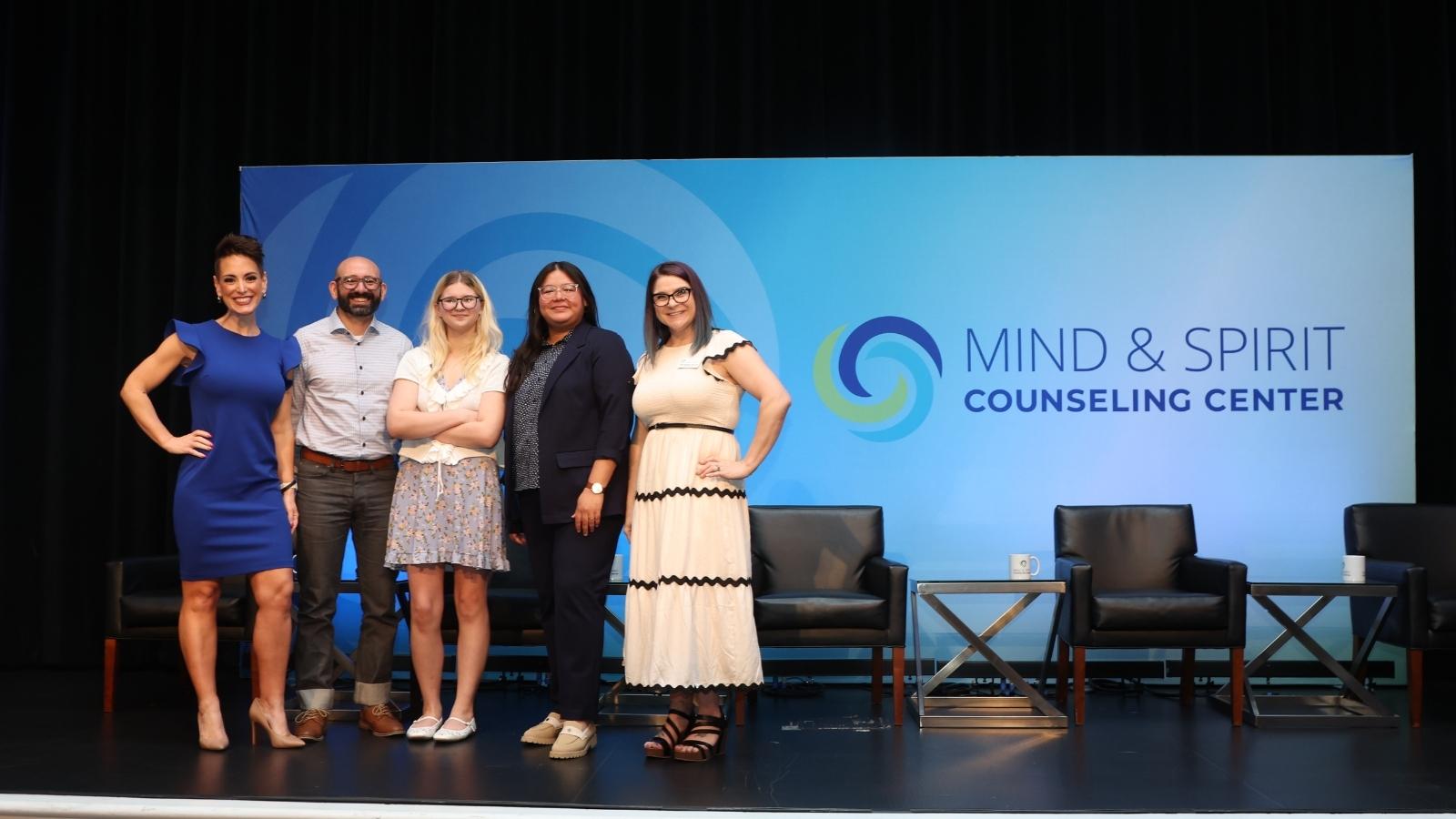
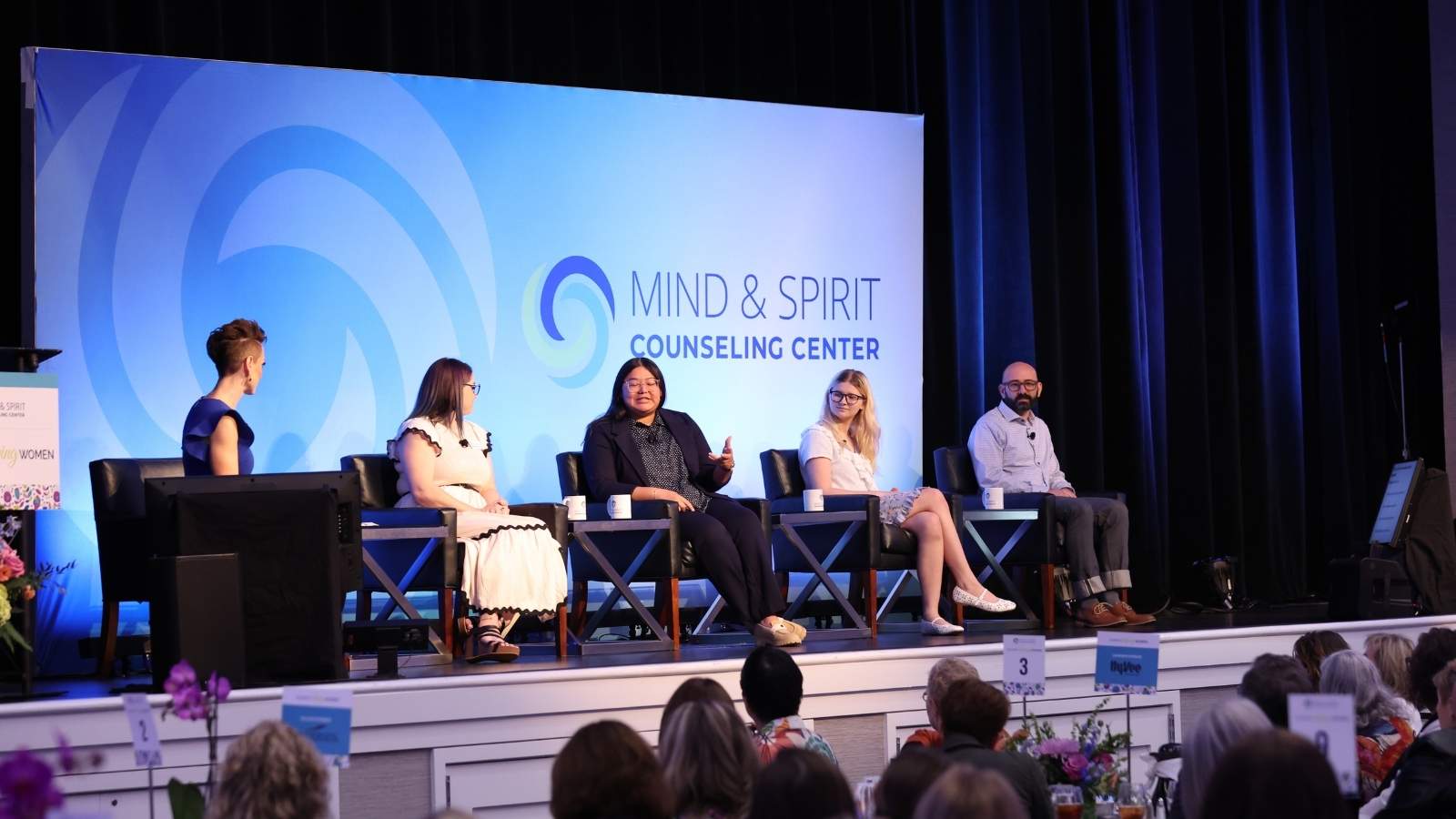
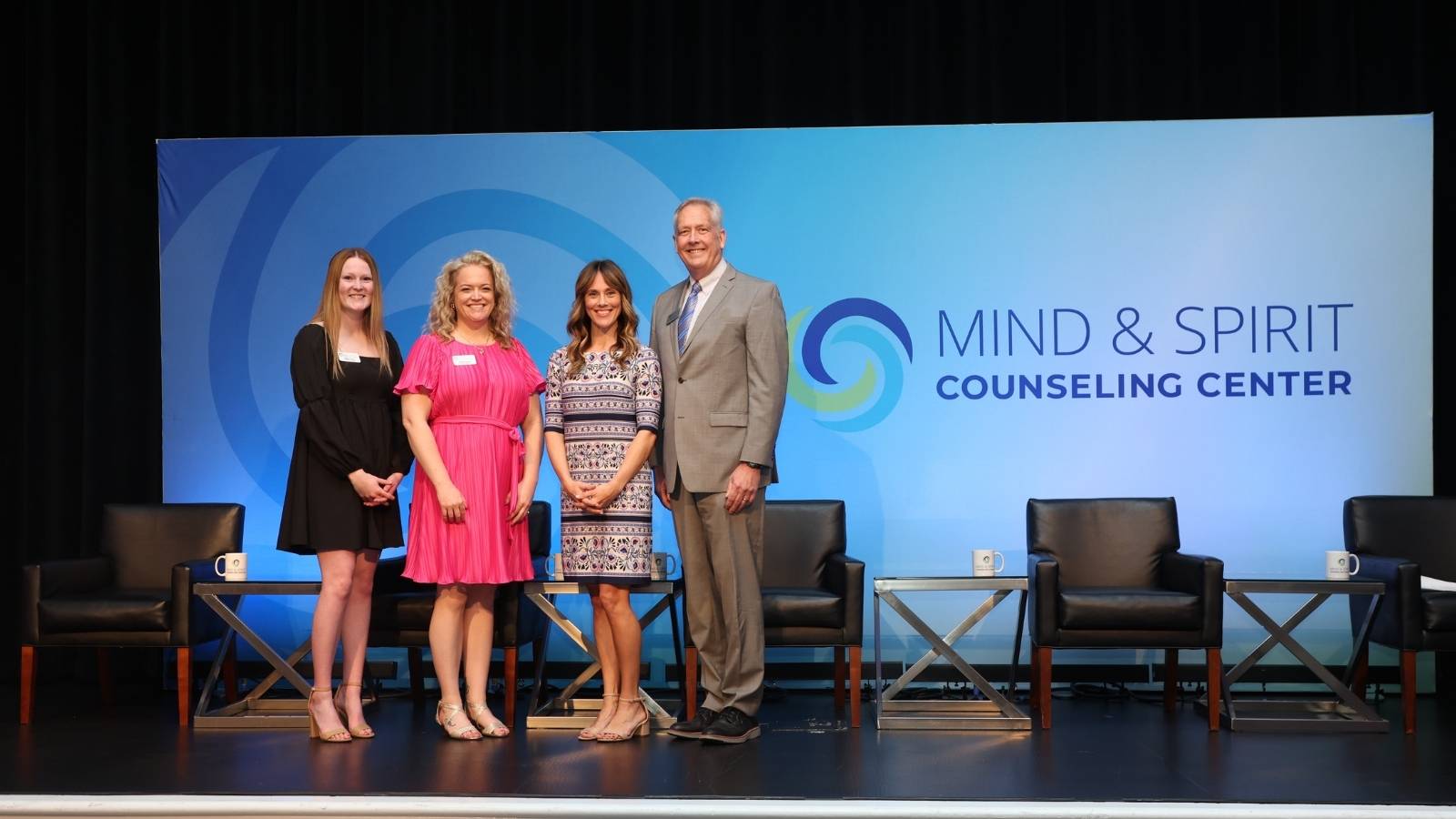
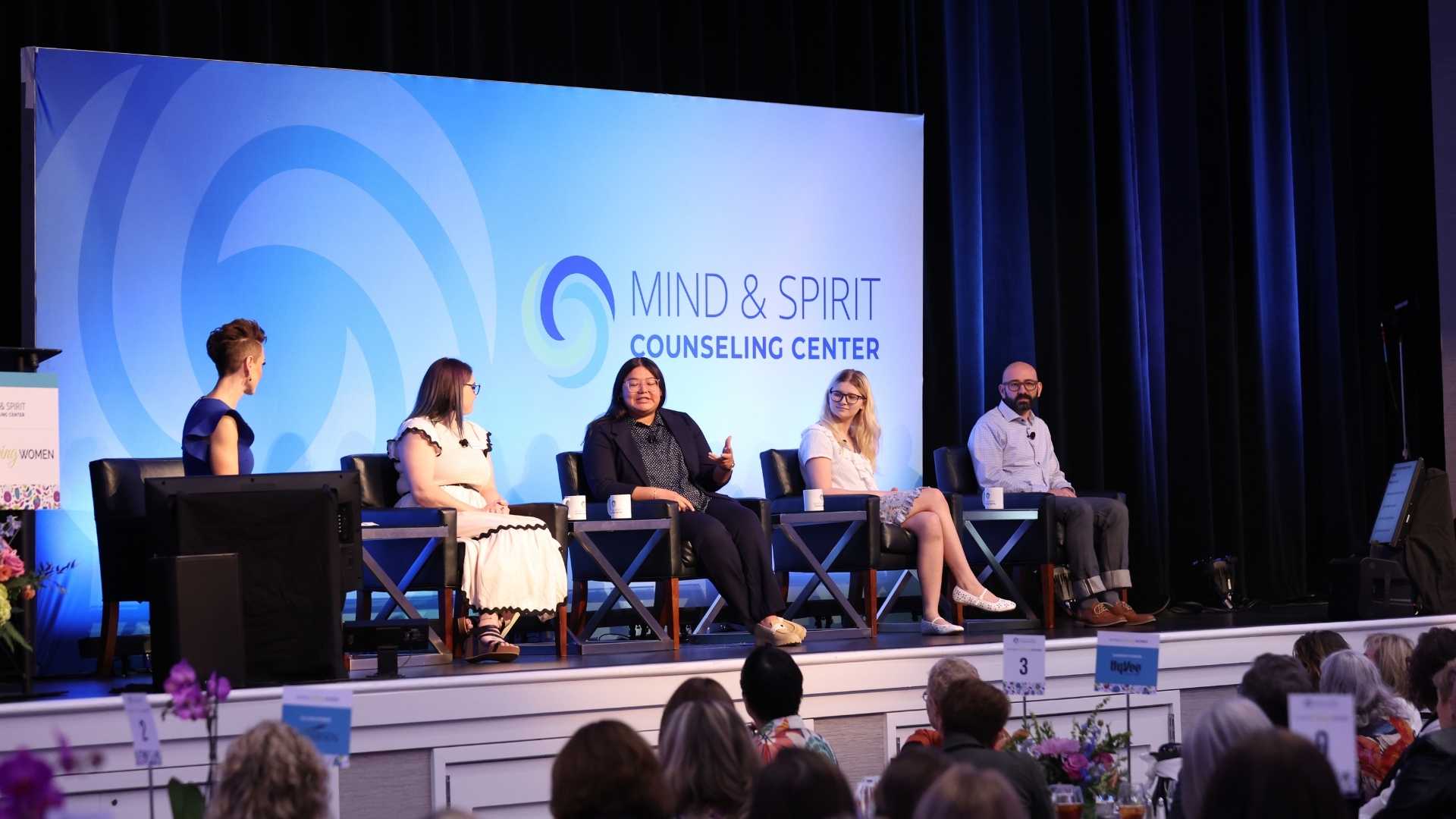
Women Helping Women 2025 photo of panelists on stage during program

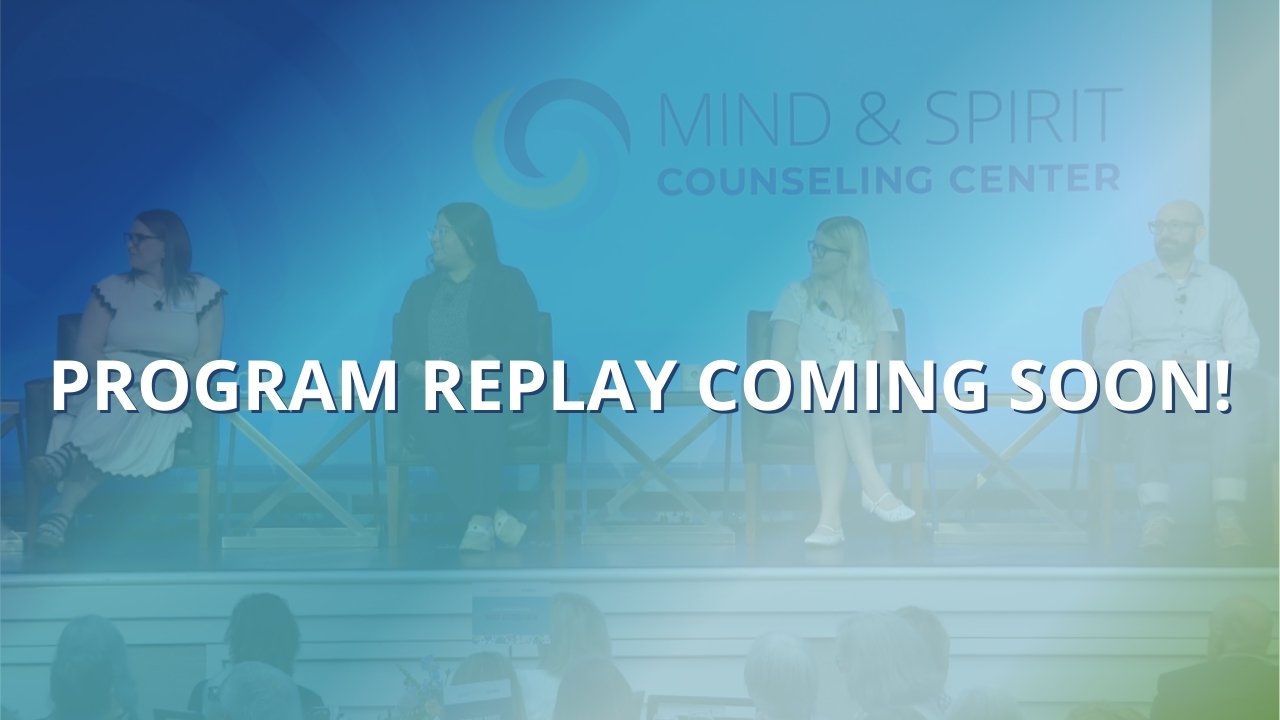
This year’s luncheon offered guests the first experience of a panelist discussion in the history of Women Helping Women. The panel went in depth on how social media can affect our mental health. Moderated by former broadcast journalist, Jackie Schmillen, the panel was guided to share real stories and provide expert opinions on this theme. With such a timely subject matter, the discussion has continued generating conversations since the event!

Whether you’re new to Women Helping Women, or a longtime supporter, please enjoy highlights from our 2025 luncheon!

Please stay tuned to watch the video of the entire program to experience the highly anticipated panel discussion.

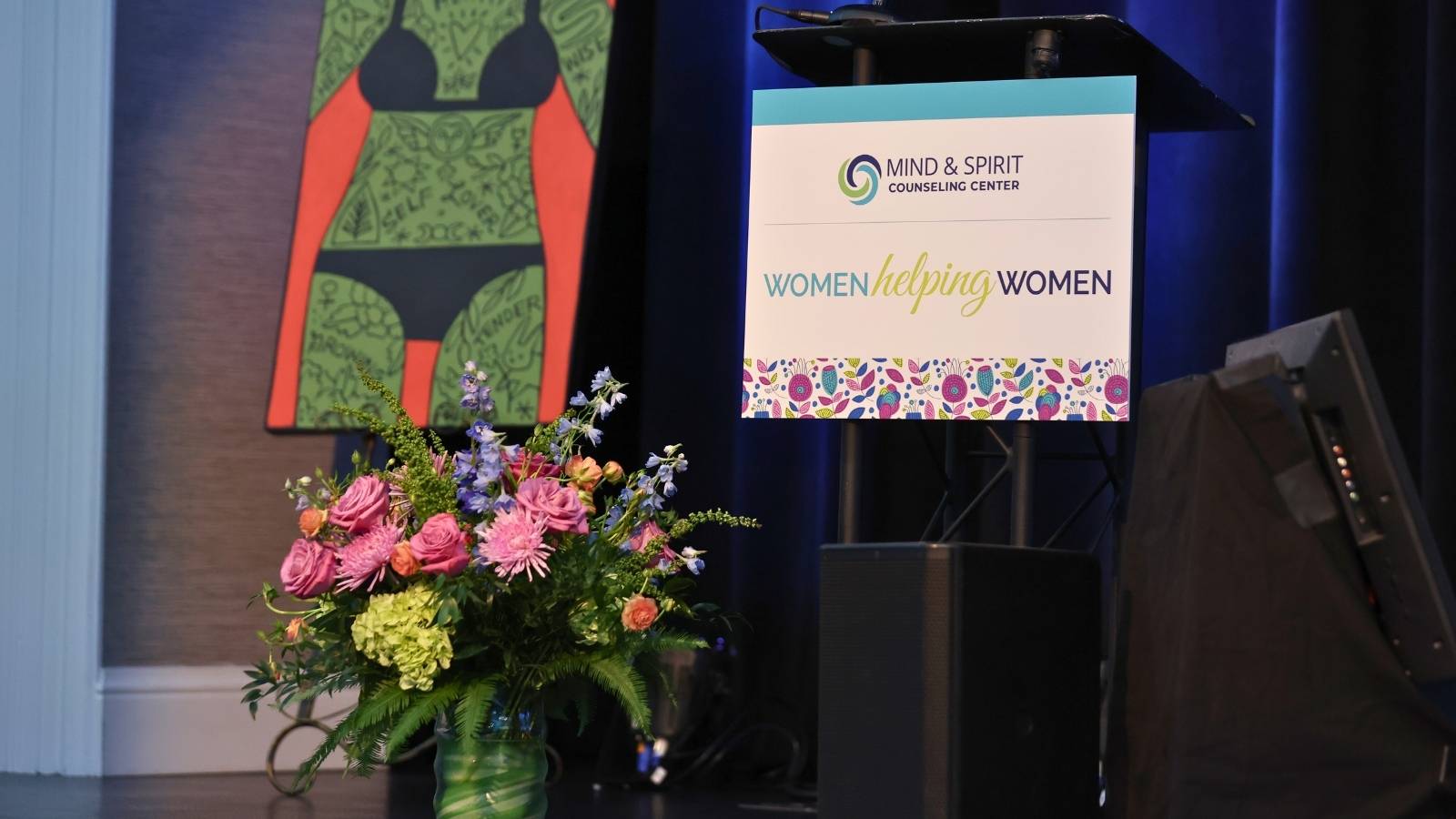
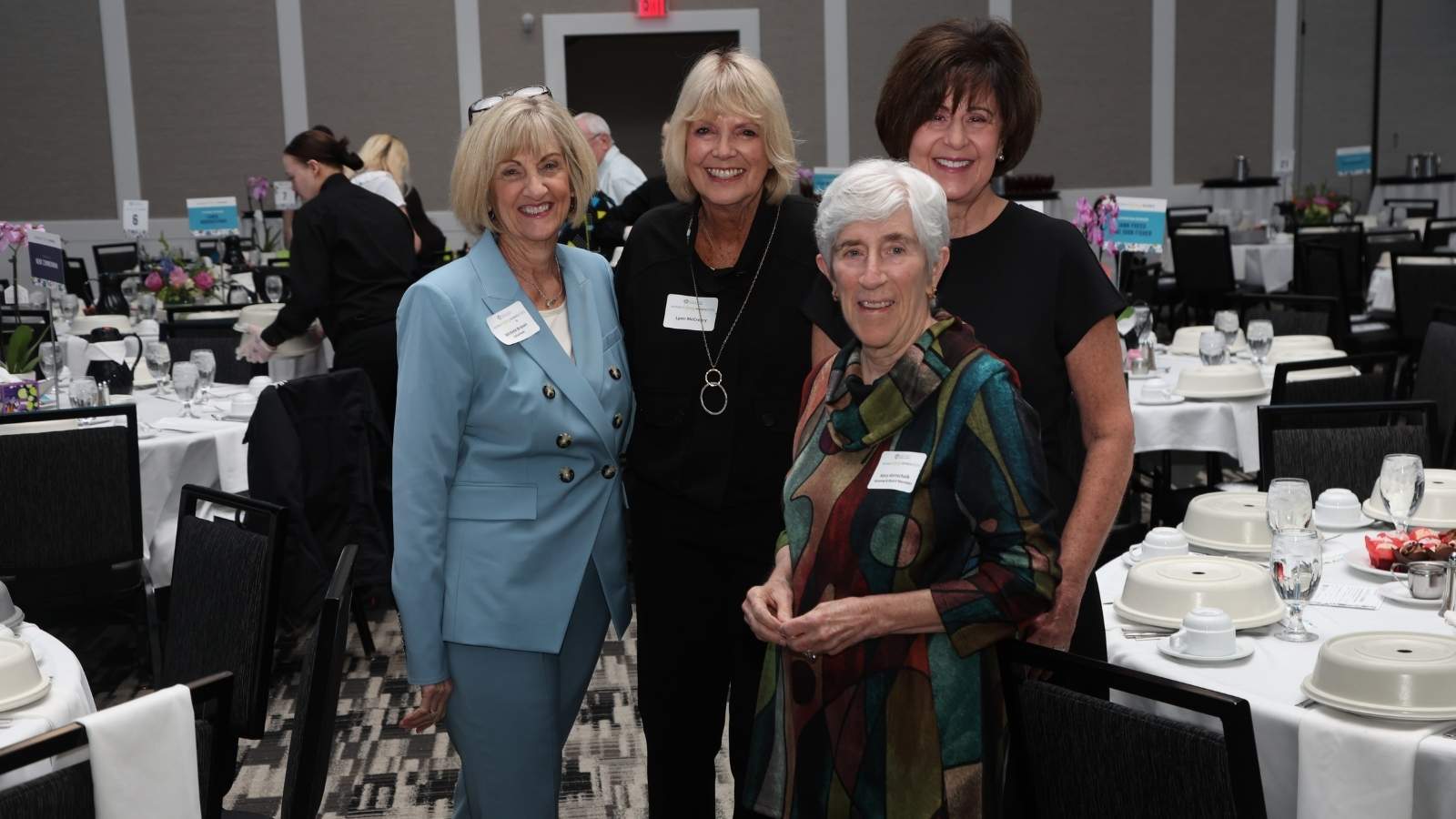
We gathered nearly 600 people for an inspiring luncheon at the Meadows Events Center in Altoona, Iowa on May 2, 2025, as we celebrated 27 years of Women Helping Women—honoring those who inspire with kindness and lead with purpose. This year’s program featured our 2025 honoree, Mary Gottschalk, whose leadership and determination have impacted countless lives, and a powerful panel discussion exploring the impact of social media on mental health. Moderated by Jackie Schmillen, the panel included insights from Dr. Heidi Bowden, Gabby Guerra, Hannah Koch and Rob Randazzo, who shared both professional expertise and personal reflections on navigating digital life while supporting mental wellness.

Their conversation shed light on how social media influences self-worth, connection and anxiety—especially among youth—and why cultivating healthy boundaries and community support is more important than ever.

Thanks to the generosity of our sponsors, table hosts and supporters, the event raised more than $234,000 to support the Center’s mission of providing critical mental health services to women, children and families across our community.

Thank you to our 2025 sponsors and donors for supporting our 27th annual Women Helping Women luncheon!


You can make a difference in the mental health of women, children and families!

We look forward to your continued support of our next Women Helping Women annual luncheon event!

For more information, contact Heather Stuyvesant, Director of Development

Office: 515-564-5122 | Email: [email protected]

2025 Women Helping Women Donors and Sponsors

Thank you to our generous sponsors and donors who helped the 27th Annual Women Helping Women event raise over $234,000! Your contribution ensures mental health services for women, children and families who are uninsured or underinsured.

Art in Therapy: A Powerful Medium for Expression, Exploration, and Healing

Written by Sierra Lauber, PhD, Postdoctoral Psychologist

Sierra Lauber, PhD and postdoctoral psychologist at Mind & Spirit Counseling Center

Art has a unique ability to reach parts of ourselves that words often cannot. Art in therapy can serve as a powerful medium for expression, exploration, and healing. For clients across the lifespan, art can facilitate a new way of seeing emotions or past experiences, and may help externalize thoughts that are difficult to express aloud. The physical act of making art turns internal experiences into something visible and tangible, allowing clients to translate feelings into form. This process then becomes something the client and therapist can explore together, helping the client build insight, make meaning, and better understand themselves in ways that may not have been possible through talking alone.

Art can help a person better understand how they view themselves in the context of the world. It often becomes a catalyst for conversation, leading to insights that may not have surfaced through talking alone. It offers a way to communicate experiences when words are unavailable or insufficient. On the surface, drawing, painting, collage, or clay work may be mistaken as mere arts and crafts. In reality, these creative processes can profoundly deepen therapeutic engagement. Clients’ artwork may capture something they want to remember, work through, release, or reclaim. The act of creating that image, and deciding what happens to it, can intensify the emotional weight and meaning of the work in ways words alone cannot.

In fact, emerging research suggests that engaging in creative processes like art-making may support the neuroplasticity, or more simply, the brain’s ability to rewire and adapt. This is especially relevant in the mental health field because emerging neuroscience suggests persons struggling with mental health conditions such as depression or PTSD experience disruptions in neuroplasticity, influencing the brains ability to recover from stress. Consequently, there is a growing body of cross disciplinary experts interested in ways creative therapeutic interventions may offer a biologically plausible path toward healing.

All of that emphasized, integrating art into therapy can offer benefits for all ages. This is especially important for adults, who often lose touch with play and creativity as responsibilities grow. Using art in therapy can safely reintroduce these elements in a way that feels accessible. It is not about being an artist; it is about engaging in a process that fosters emotional growth, reflection, and stress relief. Just as play therapy helps children process through play, creative expression can promote healing across the lifespan.

Of course, there are several ways to facilitate therapeutic growth and one of the most critical factors is client and therapist alignment throughout the process. Often times, we see this integrated as a therapy method with children because art is often readily enjoyed. However, for any adults interested but who may be hesitant, I encourage you to remember that art, and its benefits, are for everyone.


Note: Art Therapy is an evidenced-based, specialized discipline requiring specific training. I am not an Art Therapist, I am a Counseling Psychologist who uses evidence-based therapy in my practice and integrate art as a modality to facilitate and deepen the use of the evidenced based practices I am trained in. Art within therapy to support therapeutic goals, facilitate processing, and deepen the work we do together.

Sensorimotor Psychotherapy: Knowledge is only rumor until it gets into the muscle

Written by Chris Ogle, Licensed Independent Social Worker

Chris Ogle, Mind & Spirit Counseling Center

March 2025 marks my fifth year working at the Center. I am grateful to be part of this wonderful organization and our dedication to provide high-quality services to people from all walks of life. Reflecting on my time here, what I believe makes the Center unique is our culture of life-long learning and I can speak to this directly. In 2022, the Center graciously helped me cover the costs of attending the six-month Sensorimotor Psychotherapy training program for psychological trauma. Since then, I was a training assistant for another training cohort to help teach other mental health professionals learn this wonderful therapy style.

Sensorimotor Psychotherapy (SP) is a holistic, body-centered therapy for trauma and can help with anxiety, depression, sleep difficulties, relationship problems, anger, difficulty experiencing pleasure, and other problems. SP is informed by research in physiology, modern neuroscience, psychology, sociology, and the mind-body connection.

SP was developed by Pat Ogden, Ph.D., throughout the 1970’s while she provided therapeutic yoga and therapy services to women in a hospital setting. During that time, she observed women participating in yoga to improve and feel better as they connected more with their bodies, while other women participating in traditional therapy seemed to make little progress and sometimes get worse. Pat Ogden became interested in the correlation between her clients’ disconnection from their bodies, their physical patterns and their psychological issues. In 1981, Pat Ogden formally founded the Sensorimotor Psychotherapy Institute.

Unlike traditional therapy methods that take a “Top-Down” approach or emphasize talking to change thoughts and behaviors, SP takes a “Bottom-Up” approach to help clients discover and change the habitual physical and psychological patterns that interfere with well-being. By working with body and mind simultaneously, SP helps access the inherent wisdom of the body that can guide us in our innate ability to heal. Over the past decade, greater attention has been given to the role of the body in psychological wellness by many leading experts, advancements in technology, and literature like the world-renowned book, “The Body Keeps the Score” by Bessel van der Kolk, MD.

Clients sometimes ask me, “What does my body have to do with my mental health?” Consider common phrases like, “scared stiff”, “it’s a pain in the neck”, “butterflies in the stomach”, “a sinking feeling”, and “the weight of the world is on my shoulders”. These are great examples of why emotions are called “feelings”, we physically feel them, and how our physical experience is fundamentally connected to the psychological meaning and stories we make of our lives.

Essentially, our biography becomes our biology because we have types of memory that do not involve words or conscious thoughts, it is “just like riding a bike”, our bodies do it without us having to think about it.  SP recognizes this significance and incorporates specialized techniques to address how our nervous system continues telling us we are in danger long after overwhelming events, even if we logically know those events are in the past.

What I like about SP is how it can bridge the gap when traditional “talk therapy” has not been helpful. SP prioritizes helping clients physically experience safety and wellbeing as a foundation to feel better emotionally and mentally that creates new, meaningful stories. Working this way, clients cultivate greater capacities to grow and experience themselves and the world in more fulfilling ways. Consider these phrases such as. “stand tall”, “bounce back”, “rise above”, and “take life by the horns”. Again, our physical experience fundamentally shapes how we mentally and emotionally experience ourselves and the world around us.

A client once told me she felt incredibly anxious all the time without any reason and telling herself there was no reason to be scared only seemed to make her feel worse. I helped explain to this client how our biography becomes our biology and how her fearfulness was reflecting a story that was not speaking in words or thoughts. Using SP, we began by helping her develop mindful awareness of her body, the ability to notice how she physically experienced that anxiousness without labeling it, and become curious of what her body needed to feel more comfortable. Using specialized techniques, the client learned how to soothe her nervous system, physically experience what she logically knew, and come back to that physical experience regardless of stressors or triggers for anxiousness.

One day this client teared up in session and told me she finally knew, “what safe feels like.” She exclaimed, “I can make myself feel this way!” and how it created a wider range of possibilities for her day-to-day life. I’ll never forget that client’s words. It is my privilege to work at an organization that cares for the whole person who is seeking hope and healing of body, mind and spirit.

How to Pour Into Yourself and Your Child This Month

Written by Elizabeth Moreno, Licensed Independent Social Worker

Elizabeth Moreno, LISW, at Mind & Spirit Counseling Center

Roses are Red,

Violets are Blue,

Show Love to Others,

And Yourself Too!

February is a time where the holiday of love is celebrated. Most of the time, it is focused on how we can love and care for others and show our gratitude to them. If you are a parent, how can you pour into yourself and your child this month?

Some ways that I encourage parents to show gratitude and love to their children is creating holiday traditions. Cookie decorating, giving the child an affirmation each day of the month, or something as simple as engaging in a game where you begin with “I love you because…” and take turns sharing things you love about one another.

One of my favorite traditions that I engage in is writing a card to those in my inner circles about reasons why I love them.

While pouring love into others is important, it is also important to pour love and healing into ourselves.

Some ways to practice self-love and gratitude this month might include:

  • Searching for the sun everyday this month (there is lots of research on how good natural light is for us!)
  • Writing affirmations on the mirror each morning
  • Dancing to your favorite song
  • Taking time to color
  • Making a card to yourself about all the reasons why you love yourself (why not?!)

Try to set aside time for yourself each day this month and engage in something that makes you feel
special and loved. Pause, breathe and remind yourself of a reason that you are important, special and
loved.

The more love that you can pour into yourself, the more energy and love you can have for others!

Wisdom Stories: A Spiritual Journey

Written by Christine Dietz, Therapist & Spiritual Director

As a child, I was a mystic and a writer. I loved to wander outside, make nests in the tall grass, dream on the big pink granite rock in the field. I wrote poems and stories in school, when I was supposed to be reading about Dick and Sally. The adults in my life seemed to think that a bright child who read the dictionary and wrote poems should be directed toward math and science. I resisted, but my dreamy afternoons on the rock in the field were soon over. So, apparently, was my writing voice. My creative writing efforts in undergraduate school received a lukewarm response, and I changed my major to sociology. My father, a scientist, was pleased.

Fast forward to 2001. Exhausted from my battle for tenure at the University where I taught, I stumbled into the office of an expressive therapist. The years of writing a dissertation and journal articles had taken its toll. I said, “I have lost my creativity and my spirituality.” I didn’t know it then, but my spiritual journey had begun. Two years later, I was training to become a spiritual companion and leaving academia.

This year, I will celebrate my 20th anniversary as a spiritual companion. My definition of spiritual companionship is, “To walk with others as they become who they were created to be.” As people open themselves to being present, listening to and acting upon the movement, impulses and images of the Divine within them, I notice that they often become more creative. Some turn to writing – stories, essays or poetry. Others to photography or art. Is there an inherent link between creativity and spirituality?

I love the creation stories in Genesis. Genesis 27 says, “And God created humankind in the divine image, creating it in the image of God—creating them male and female.” (The Contemporary Torah, Jewish Publication Society, 2006). According to this story, we are created in the image and likeness of God. We are both the result of and part of the creative force that brought forth all that is. Creativity is our birthright. In her article, “Creativity as Spiritual Practice,” Rabbi Adina Allen describes the creative process as a partnership with the Divine.

“What this relationship requires of us is an openness to the creative process: a willingness to venture into the unknown, the ability to be present in the moment, an openness to our intuition and allowing ourselves to follow where it leads us, and a deep humility in knowing that nothing we bring into the world is ours alone.” (Source: My Jewish Learning).

This is exactly what happens in spiritual companionship.

In 2016, I offered “Wisdom Stories: A Class for Elders in Training,” an exploration of personal autobiography, at the Center. I emphasized that everyone was a writer, free to ignore the “rules” they had learned about how to write and what was “good.” I offered writing prompts, which they were free to ignore, and words of encouragement from Natalie Goldberg, Julia Cameron or Anne Lamott. As listeners, we focused on how their stories touched us, and what spoke to us, without praise or criticism. In 2018, I offered another 8 week class. The group asked for more. I offered another 8 weeks. The group asked for more yet again. And so I said, “let’s try this as a spiritual direction group.”

Seven years later, we continue to meet monthly. I have stopped offering prompts – the writers follow their own interests and instincts. They have stopped trying to follow the “rules,” expressing what is emerging inside them. Their voices are more powerful, authentic and free, as a sense of play, deep grief or a new form emerges. We notice that, when one writer expresses their deep truth it resonates with all of us—we’ve been there, too. And often, we notice a core theme or experience connecting the writings in a particular session. Each time we meet, I feel awe, wonder and gratitude at how this process opens us to the presence of the Divine and our creative expression. And my frozen creativity is beginning to thaw.

Please, if you will, enjoy an example from one of our writers, Ken Rummer, who felt called to share his expression in a piece titled “In the Fog.”


Christine Dietz, Mind & Spirit Counseling Center

Christine Dietz, LISW, DMin, PhD, is a psychotherapist and spiritual companion dedicated to helping individuals reconnect to their innate wholeness and renew their sense of hope and possibility. With over 40 years of experience in hospitals, community mental health, and private practice, she specializes in supporting those navigating anxiety, depression, life transitions, chronic illness, grief, LGBTQ+ concerns, and spiritual direction. Christine is a Licensed Independent Clinical Social Worker and spiritual director with an MSW from the University of Iowa, a PhD in Sociology from SUNY Buffalo, and a DMin from the Graduate Theological Foundation. She is also a graduate of the Lev Shomea Training Program for Spiritual Direction in the Jewish Tradition. Passionate about storytelling, Christine is a writer, avid reader, and amateur photographer with a deep interest in spirituality, particularly Jewish spirituality. She enjoys teaching adult education at her synagogue and currently works part-time at Mind and Spirit Counseling Center, offering telehealth services to individuals from all faiths and spiritual traditions, as well as those with none.

LEGOs: A Powerful Tool to Use in Therapy

Written by Sierra Lauber, PhD, Postdoctoral Psychologist

Sierra Lauber, PhD and postdoctoral psychologist at Mind & Spirit Counseling CenterLEGOs are not only a popular household toy that spans generations but can also be a powerful tool to use in therapy with children, teens, and even families. Their familiarity makes them appealing and accessible to most children, especially those who may be hesitant about therapy or struggle to verbally express themselves. They can also be a great opportunity for teamwork and shared problem solving in family or group therapy. It offers a welcoming, non-threatening way to support connection and communication. These qualities make LEGOs a valuable, versatile resource for creating a welcoming therapeutic environment where we can work toward therapy goals in a playful and fun manner. 

One of my favorite reasons to keep LEGOs on hand in my office is due to their adaptability across contexts and therapy objectives. Some ways I’ve used these include:

  1. Emotion exploration, such as creating an emotion island
    • Using colored LEGO pieces, clients can assign an emotion to a color and build an island to represent how frequently they experience that emotion.
    • We can use a playful approach to exploring how they (or their Lego minifigure) travel to different parts of the island (i.e., noticing when and how their emotions change).
  2. Group therapy
    • Helps add a balanced structure to communication and peer interactions, which decreases anxiety for kids while still promoting teamwork and communication.
    • For example, creating a world with group members and a together being presented with “a problem” they need to work together to solve.
  3. Family therapy
    • Because LEGOs are often beloved across generations, and even include models aimed for adults, LEGOs can be an excellent way to incorporate play in a manner that is inviting and comfortable for all family members.
    • Especially beneficial for exploring communication styles. For instance, one family member sits back-to-back with another and acts as the describer, building a small structure and giving instructions. The follower replicates the structure based solely on these directions, without seeing what the describer is doing.
    • The activity highlights strengths and challenges in communication, following directions, and perspective taking, all in an enjoyable and engaging way that is accessible to children.

LEGOs are an excellent tool for integrating a collaborative and creative approach to supporting children and families’ treatment goals. It helps kids have a greater sense of autonomy in their therapy process and provides opportunities for kids to engage in self-reflection in a manner that is often seen as less intimidating. I continue to be amazed at the creative ways my clients use LEGOs to process their narrative or current challenges and am grateful to be a small part of that journey.

So, the next time you painfully step on one of those sharp-edged bricks that didn’t get picked up at home, think of the ways LEGOs can be used therapeutically and maybe it will hurt just a little less.

In all seriousness though, LEGOs can be an exceptional way to connect with kids, both in therapy and at home. They offer a way to play and create that is away from screens and not constrained by cold weather. If your child already enjoys LEGOs, consider joining them to see what kind of world you can create together.

LEGOs, a powerful tool to use in thearpy to express an emotion island

This image is an example using LEGOs to make an emotion island, as well as processing where and when they feel “stuck” in an emotion. (This is not an actual client example).