
Billie’s Blog: A Life of Hope
On February 14 this year, I received the ultimate Valentine. My son and daughter-in-law delivered a special card to me, announcing I would be a first-time Grandma in October. What a delightful surprise! I have been floating in the clouds ever since, and I am wearing a permanent grin. What fun I am having as I announce the event to all my friends. But before that, after my son and daughter-in-law left, I had a wave of musing as I considered what the child might do for a career, and a gazillion other questions danced through my brain. In an instant, I heard myself sound ludicrous. Then I said, “STOP!” My most fervent hope became that mom and baby would be healthy, safe, and happy. End of musing.
I learned a lot about hope as I conducted research for this blog post. My previously held belief was that hope was completely spontaneous and that one either had it in a certain circumstance or did not. “I hope I get a great parking place.” “I hope the line is short at the lunch counter.” “I don’t see how I can ever get out of this mess.” I believed hope was based in thoughts. However, we can control our hope and, therefore, bring more of it into our lives.
We all have hope for myriad reasons—big and small, mild and serious, local and global. Hope may be there when we need it most, or it may seem as elusive as a flitting bird. Despite the turmoil swirling around us, there are ways to nurture hope in our lives. Hope is a choice, often made in difficult times. In dark times, it is important to engage in self-care. Staying as active as possible, physically, stimulates the mind and body. Consider also activities that bring a sense of serenity into our lives. Hope is an action, a verb. We create our own hope by what we do. People who have hope are out doing things.
Hope is crucial to human survival and affects our ability to thrive. Without it, we die mentally, emotionally, spiritually, and physically. People with hope are healthier and happier than people without it. People who have hope take better care of themselves—dietary, exercise, rest, recreation—and have higher self-esteem overall. Of course, there are countless situational hopes: injuries, losses of every kind. Still, people with an attitude of hope in their daily lives are stronger.
Hope is the by-product of conscious choice and intentional action toward a better life. It does not mean life will be perfect or that a specific, desired outcome will come to fruition. What it means is that over time, the energy poured into the circumstance will result in resilience and the resolve to go on.
Nurturing hope in oneself and others can be a challenge. Current events affect all of us globally as individuals. When we are stuck in what feels like a spiral of hopelessness, we can acknowledge our feelings and sit with them without allowing them to devour us. Recognize them for what they are—feelings; they are not reality. Hopelessness is usually an unwanted, uncomfortable guest. We can try to find something we enjoy, sending hopelessness packing. Other ways to find hope in our lives are through journaling, talking with a trusted friend or professional, or getting involved in an activity we enjoy. It is critical to know that we never have to deal with hopelessness alone.
We are living in an era of high stress in our own backyards and globally and everywhere in between. When stressful times are layered over the vagaries of everyday living, finding hope can feel daunting. During these dark times, community becomes central. Connecting with other people to work toward a better future fosters hope in everyone. This is true whether the matter at hand is personal or international. Here are some ways communities can come together.
- If not already in place, find groups of like-minded people: church, neighborhood, family, friends, affinity groups, etc.
- Remember, hope thrives on activity. Offer to care for one another, such as running an errand.
- Share stories of hope. Have fun. Laugh a lot.
- Limit negative exposure; balance with positive.
- Acknowledge shared circumstances without trying to “fix” each other.
- Stay grounded in the present moment and try to set a daily goal of getting through the day, living one day at a time.
Even small amounts of Compassion and Grace go a long way when we encounter seemingly grumpy or thoughtless people. A usually cheerful person may make a snarky comment, or someone may rudely let a door slam in our face, or a friend may forget to acknowledge receipt of a birthday card. Most people, including us, are not intentionally mean. But, as we saw above, everyone is living with a lot of stress, which can cause feeling tired, frustrated, stressed out, and absent-mindedness. Even we may be affected. So, we can be kind even when it appears the other person doesn’t deserve it. Maybe they need a sliver of hope in their day. And it will certainly keep a smile of hope in ours.
Hope is a conscious choice we make to create a better life for ourselves, those around us, and the world in which we live. With others, we take intentional action toward our goals, knowing the outcome may differ from our vision, but knowing we will be strengthened and more resilient because of our efforts. Because of that, we have hope.
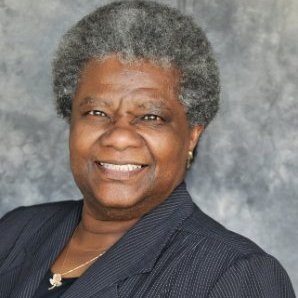
Billie Wade is a gregarious introvert whose primary interests are writing, lifelong learning, personal development, and how we all are affected by life’s vagaries.
Issues facing Black people, women, the LGBTQ community, and aging adults are of particular concern to her. She enjoys open-hearted dialogue with diverse people. The opinions expressed here are her own.